
Projects
We facilitate collaborative action, share best practice, and bring together a wider partnership of organisations from across the city.
Our work connects the dots between policymakers, community groups, businesses, organisations, and individuals.
-
Blossom
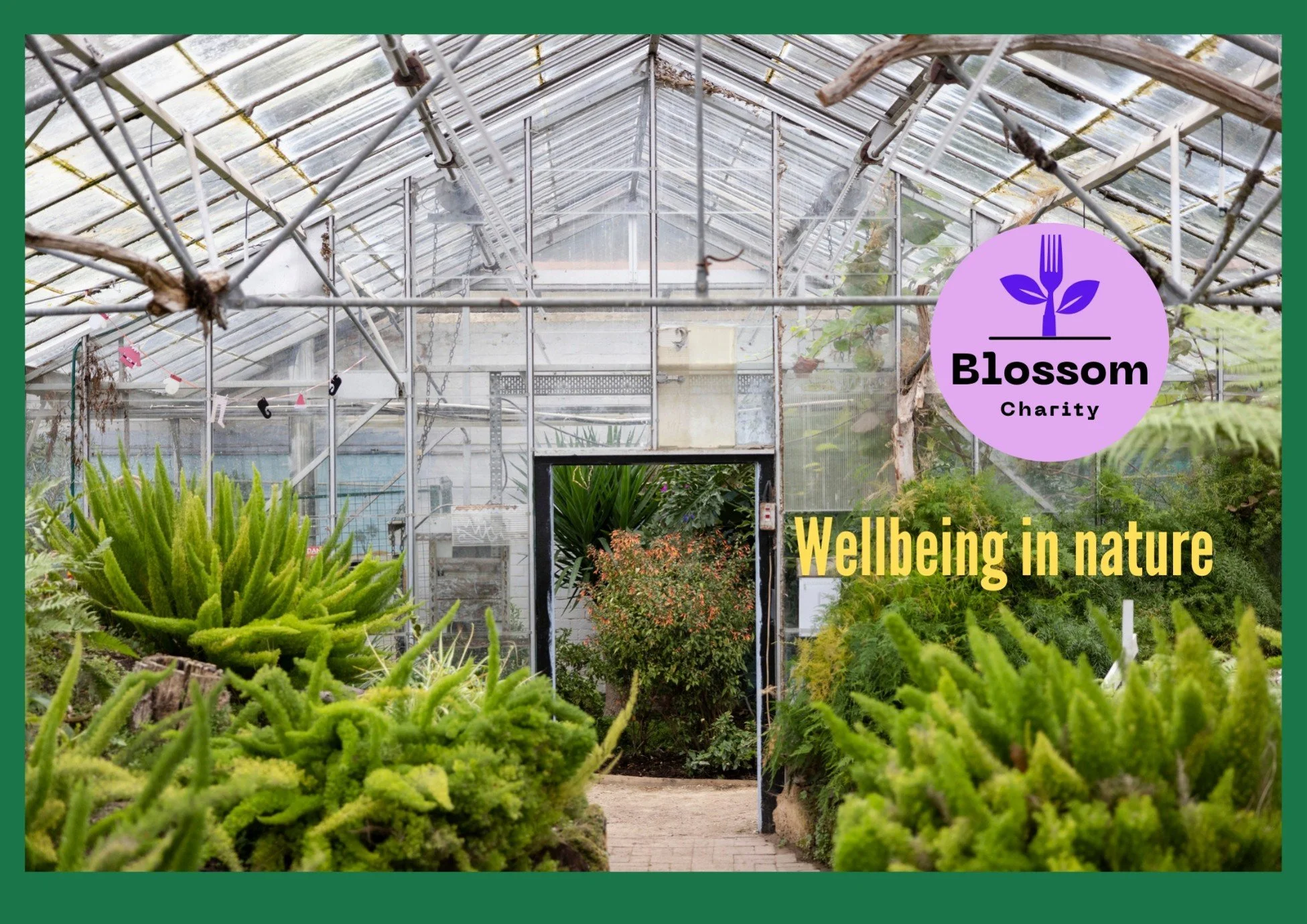
Blossom- health through activity, is a small but impactful charity based in Wythenshawe, South Manchester, working to tackle food insecurity, poor health, and the growing pressures of the cost-of-living crisis. We support people experiencing disadvantage including low income, social isolation, poor mental health, long-term health conditions, and barriers to employment by providing practical, inclusive opportunities that build confidence, resilience, and connection.
Through food growing, sustainable cooking, and nature-based activities, we help individuals and families access affordable, healthy food while developing skills to reduce household costs and live more sustainably. Participants learn how to grow fresh produce, cook nutritious meals from scratch using low-cost and energy-saving methods, and improve wellbeing through connection with nature and community.
Our vision is a fairer, greener future where everyone has access to healthy food, practical skills, and supportive community networks. We aim to empower those most affected by inequality to improve their health and wellbeing while strengthening local food resilience and community sustainability.
-
Good Food Gorton
Good Food Gorton is a practical, community-led food programme based at Gorton Central and delivered by Healthy Me Healthy Communities CiC (HMHC). Launched in March 2026, it builds on many years of HMHC’s food security work across Manchester, and brings together affordable food access, growing, shared meals, adult education, and community power in one joined-up model. Supported initially by The National Lottery and further developed with Jigsaw Foundation funding, the programme aims to support the development of sustainable neighbourhood food systems.
This matters in Gorton, where high unemployment, high levels of benefit claimants and some of the highest obesity rates in the city sit alongside significant local strengths. There are many VCFSE and statutory organisations in the area working to improve health and wellbeing, many growing spaces locally (including Gorton Central’s own award-winning community garden), a diverse and engaged local population, investment in civic spaces such as Gorton Hub and the new town square, and £20m of Pride in Place funding. HMHC also brings significant experience in community power approaches via their work managing the Making Manchester Fairer Community Forum and Manchester Community Power Forum. Good Food Gorton has been shaped around those local assets as well as local need.
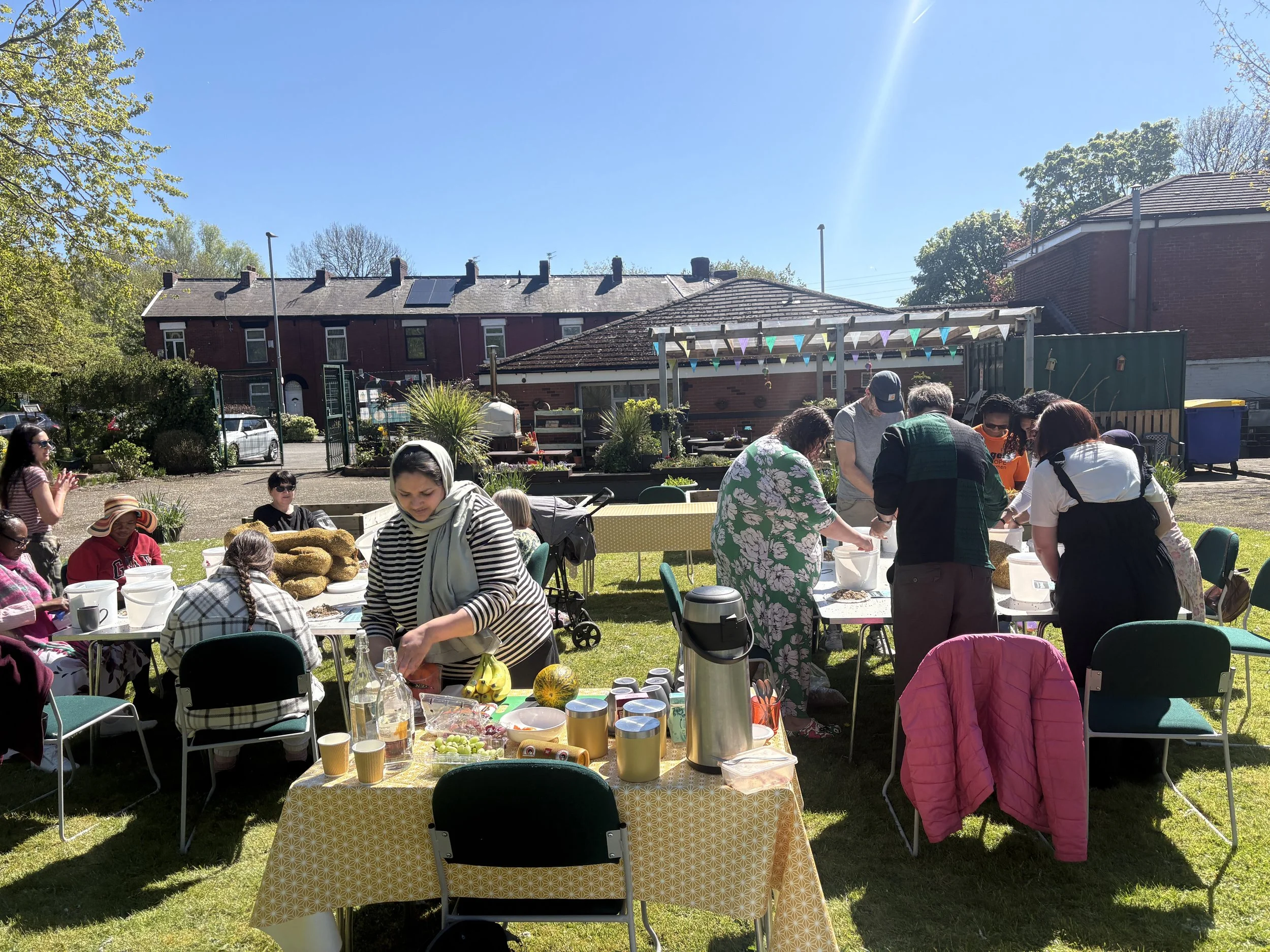
At the heart of the programme is a weekly community grocer offering redistributed surplus food, particularly fresh fruit and vegetables, at low cost. Alongside this, residents can take part in accredited courses including L2 Food Safety and L2 Eat Well, Teach Well, plant-rich cooking workshops, growing activities and shared meals. Popular sessions have included mushroom growing and West African vegan cookery, and an upcoming Iraqi vegetarian cookery session will be led by a former learner. These activities do more than improve food access: they build confidence, share skills, create connection and support healthier, more sustainable ways of eating.
Good Food Gorton is not simply a food support offer. It is an example of how a local food system can be built from the ground up: practical, preventative and rooted in community participation. With partnerships including Sow the City and Farm Urban, related research projects on food aid and plant-rich diets, and strong alignment with Greater Manchester’s Live Well approach, the programme shows how local organisations can help shape healthier, fairer and more sustainable food futures.
-

Manchester Food Partners Programme
MFPP is a train-the-trainer scheme designed to share knowledge with community groups and help them navigate and advocate for a sustainable food system.
We have presented to the Manchester Climate Change Agency Youth Partnership and other youth groups and helped then advocate for food that helps their communities.
-

Reusable cup Pilot
To reduce single-use plastics and save carbon MFB have provided research and advice for key institutions in Manchester to adopt reusable food packaging and move towards a circular economy.
A city-wide pilot project is being developed for Oxford Road - whatch this space.
-
Produce Pod Project
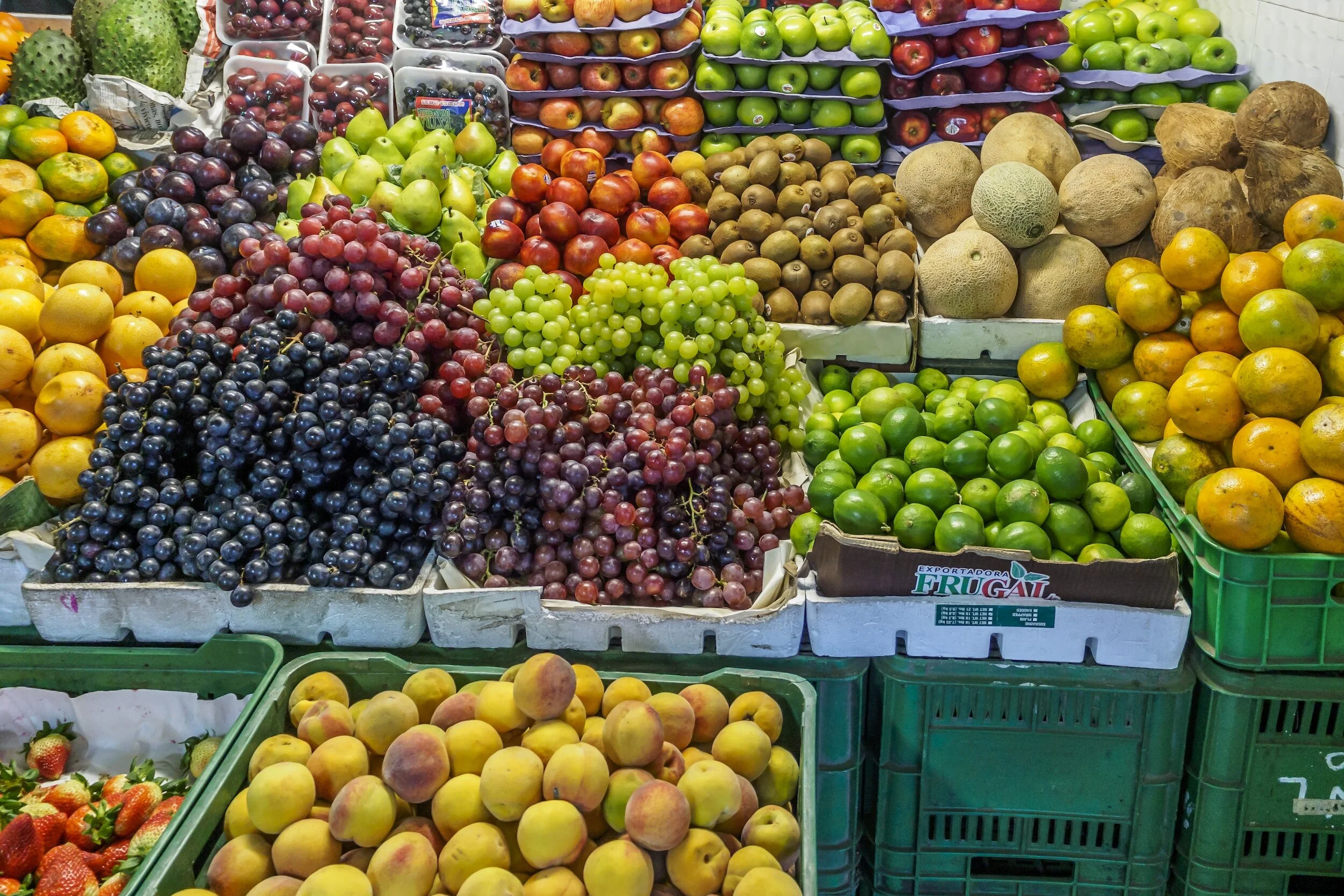
We are developing a pilot to increase the access, both in price and convenience of lower-income communities to nutritious, whole produce. We are currently in the process of co-designing a pilot project with the community.
-

Sustainable Business Code
MFB have produced a voluntary code for the food and hospitality sectors. The code takes a systems-driven approach. It contains a set of multifaceted measures and produces a more holistic perspective on sustainability.
-

Improving Public Sector Procurement
We are mapping how the public sector sources food across the whole of Manchester. The aim is to develop guidance that will inform council policy and create more nutritious and sustainable food in public sector spaces.
-

City Centre Good Food Retail
We are producing guidance on how developers can include more good food in Manchester’s city centre.
MFB Mission
-
1. Improve food security
We want to improve Manchester's food security and reduce inequalities by ensuring that safe, appropriate, and nutritious food is available to all.
-
2. Promote a vibrant food economy
We want to support local businesses to develop a dynamic and robust food economy for Manchester, that everyone can enjoy.
-
3. Create resilient supply chains
We want to create more resilient supply chains for food coming into the city, to ensure everyone can access the healthy, tasty, diverse food they need.
-
4. Reduce impact on the climate
We want to reduce the environmental impact of the food system, with a focus on cutting down on food waste and shifting to more ecological practices.
-
5. Facilitate collaboration, research, and innovation
We want to work with researchers, technology companies, and other innovators to promote new ways of producing, processing, and accessing food.